
Sunny days, new blossoms, birdsong… And the arrival of an assortment of Spring-specific produce. It’s official, the season is here! Artichokes, asparagus, broad beans and green garlic.These delectable and hard-to-pair with veggies are everywhere, begging to be put into pasta, frittata, risotto and braises. And while we here at Paul Marcus agree that wine almost always enhances a meal, with these Spring arrivals, not just any wine will do! A red wine can clash with their strong earthy flavors, leaving you with a bitter taste in your mouth, while some whites can even become sweet and cloying when paired with them. Why does this happen, you might ask? Get ready for a little bit of science (but nothing too heavy, I promise!)
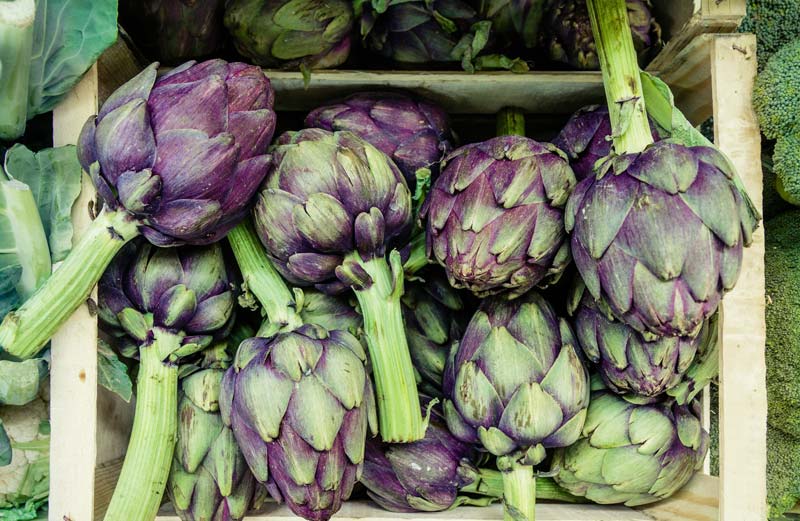
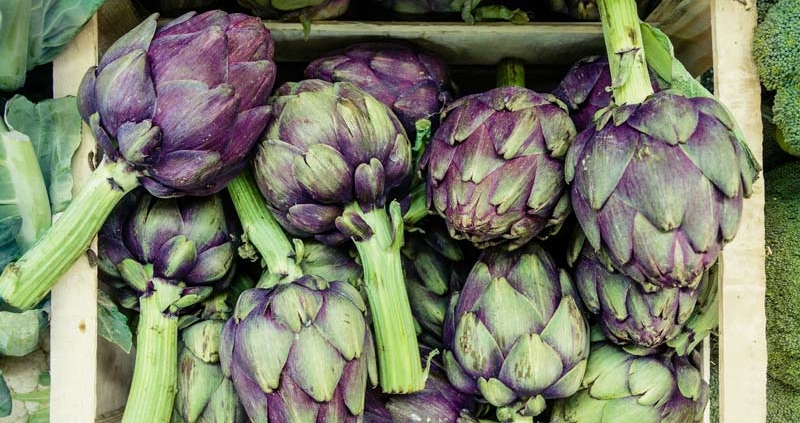
First of all, artichokes contain a chemical called cynarin which is unique to the plant. This cynarin binds to taste buds when you eat, temporarily inhibiting your ability to perceive sweetness. However, when you take a sip after your artichoke dip, that cynarin gets washed away, and voila! after its gone, suddenly everything tastes super sweet. Wow! In order to avoid this, it is best to select an herbaceous, high-acid white wine with no residual sugar. Although more than a few wines fit this bill- like Sauvignon Blanc or Pinot Grigio- sommeliers and chefs agree that the most classic pairing with artichokes is an Austrian grape called Gruner Veltliner (Say: “Grew-nuh-felt-lean-ah.”) Gruner Veltliner generally produces wines dominated by vegetal notes, but many are also underscored by citrus, pear, melon, and subtle white pepper flavors. Its best served ice cold (and also goes beautifully with Japanese food- another fave cuisine of Spring).
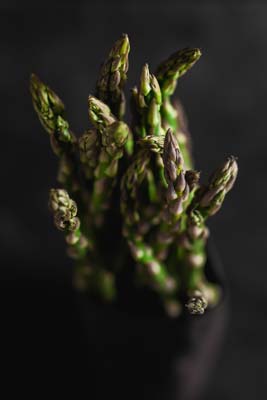 Now, let’s move on to asparagus. Since it has such an abundance of umami flavor, this veggie can make your glass or red taste metallic and stunted. I know, if that is the case, then why does red wine taste so wonderful with steak or cheeses, both which contain that lovely “umami” flavor? The answer is that unlike these foods, asparagus (and artichokes, for that matter) don’t have enough fat and salt in them, and your red ends up tasting acerbic. So if you are featuring asparagus in one of your recipes, it’s definitely best to reach for a white wine. And Gruner is a perfect pairing with this veggie as well! It truly is the solution to Spring’s fresh and zesty dishes. Come in and try the value-driven Malat or Gyerhof Gruners, or ask for a Schloss Gobelsburg or Brundelmyer if you are looking for something more high-end. You can find them all in Austrian section at the back of the shop.