There is something undeniably satisfying about a chilly glass of Provençal rosé on a warm summer’s evening (or, perhaps, afternoon). This style of rosé has become enormously popular around the world, and with good reason–gently fruity and crisp on the finish, these pale, refreshing wines are incredibly easy to enjoy, especially when temperatures are on the rise and light snacks are on the plate.
While France still dominates the pink market, wine drinkers in the U.S. have been exploring Italy’s dizzying array of rosato wines more than ever before. If you think that rosé is only suitable for porches and picnics, think again. Paul Marcus Wines offers a range of captivating, food-craving rosatos that will absolutely shine a tavola.
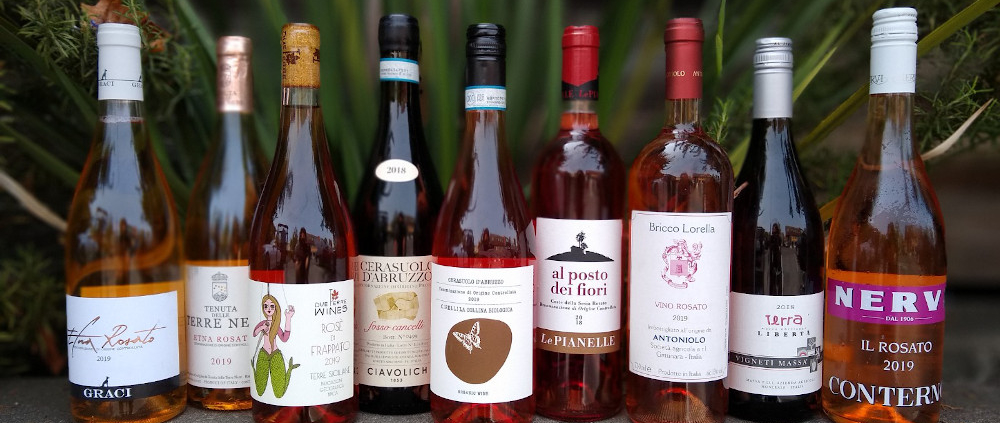
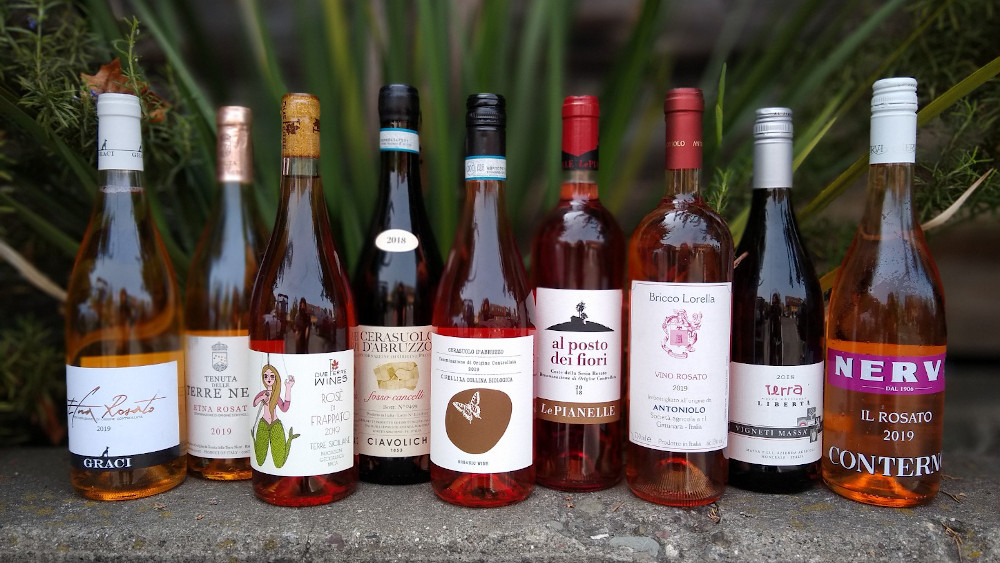
 Our journey begins in the south, on the island of Sicily. The volcanic soils of Mt. Etna are home to the nerello mascalese grape, which produces a wonderfully complex and savory style of rosato. These wines tend to be quite dry, aromatic, and bursting with minerality. At PMW, we’ve been enjoying both the Graci Etna Rosato (a bit more focus) and the Terre Nere Etna Rosato (a tad more fruit). From the southern part of the island comes the Due Terre Rosato di Frappato, a bright, floral wine with a striking deep-amber hue.
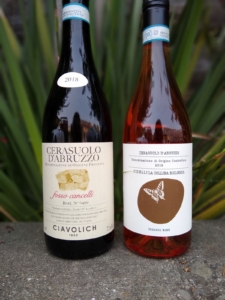 East of Rome and bordering the Adriatic Sea, the verdant Abruzzo region is the province of the dark-skinned montepulciano grape, which produces a rich, structured style of rosato called Cerasuolo d’Abruzzo. The Ciavolich Cerasuolo d’Abruzzo ‘Fosso Cancelli’ is darker in color than some of the “red” wines that we carry. After 24-36 hours of skin maceration in concrete, this wine is moved to terracotta amphorae for further fermentation and aging, resulting in a wine that is dense, yet still lively–a match for more substantial fare than your typical rosé. Fermented and aged briefly in stainless steel, the low-sulfite Cirelli Cerasuolo d’Abruzzo represents a lighter version of this noteworthy type of rosato.
Next we move to Piemonte, where the majestic nebbiolo grape reigns supreme. The nebbiolo of Alto Piemonte, in the northern part of the region, is usually more etched and mineral-driven, with softer tannins, than the nebbiolo found in the more-famous Langhe area two hours to the south. Producers and consumers alike are quickly discovering how well suited the nebbiolo of Alto Piemonte is to rosato.
 PMW currently stocks three different expressions of Alto Piemonte rosato. The rust-colored Le Pianelle Coste della Sesia Rosato ‘Al Posto dei Fiori’ adds a touch of vespolina and croatina to its nebbiolo foundation, along with just a hint of oak influence. It’s a full-flavored, multifaceted rosato that still manages to be fresh and nimble thanks to ample acidity and a mineral edge. The Antoniolo Gattinara Rosato ‘Bricco Lorella’ undergoes a relatively short maceration (about three hours), and the resulting wine is vibrant and graceful, with vivid red-berry notes.
Finally, we have Nervi’s Il Rosato, which falls stylistically somewhere between the first two. The oldest estate in the Alto Piemonte DOCG of Gattinara, Nervi was recently purchased by Barolo superstar Roberto Conterno, and they decided to use some of their top vines for this delightful rosato. Malolactic fermentation and a spell of lees aging give this wine a bit of texture without sacrificing any of its zest. For a different twist on Piemonte rosato, try the Vigneti Massa Rosato ‘Terra Libertà’, an herbaceous blend of barbera, cortese, and freisa that hails from the Colli Tortonesi in Piemonte’s southeastern hills.
Summer might be creeping to a close, but these versatile, food-friendly rosatos have year-round appeal. Visit or call us at Paul Marcus Wines to begin your discovery of Italian pinks. Buon viaggio!


 Duroché owns more than eight hectares of vineyard holdings in the Gevrey appellation. As you would expect, the utmost attention is given to the health of the soil. The grapes are rigorously sorted both in the vineyard and the cellar. Everything is de-stemmed, and the wines never see more than 15 percent new oak.
