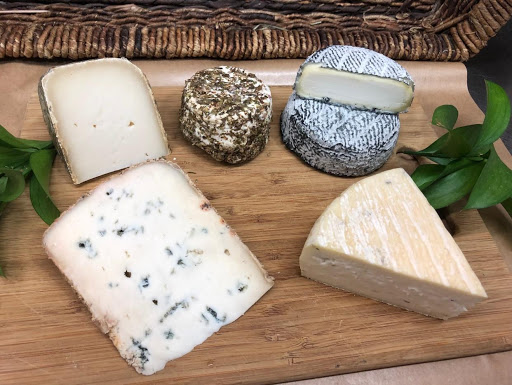
Ladies and gentlemen, we interrupt our regularly scheduled wine programming to bring you this special report: August is National Goat Cheese Month! Of course, here at Paul Marcus Wines, we always jump at the chance to promote the most famous of all culinary pairings: cheese and wine!
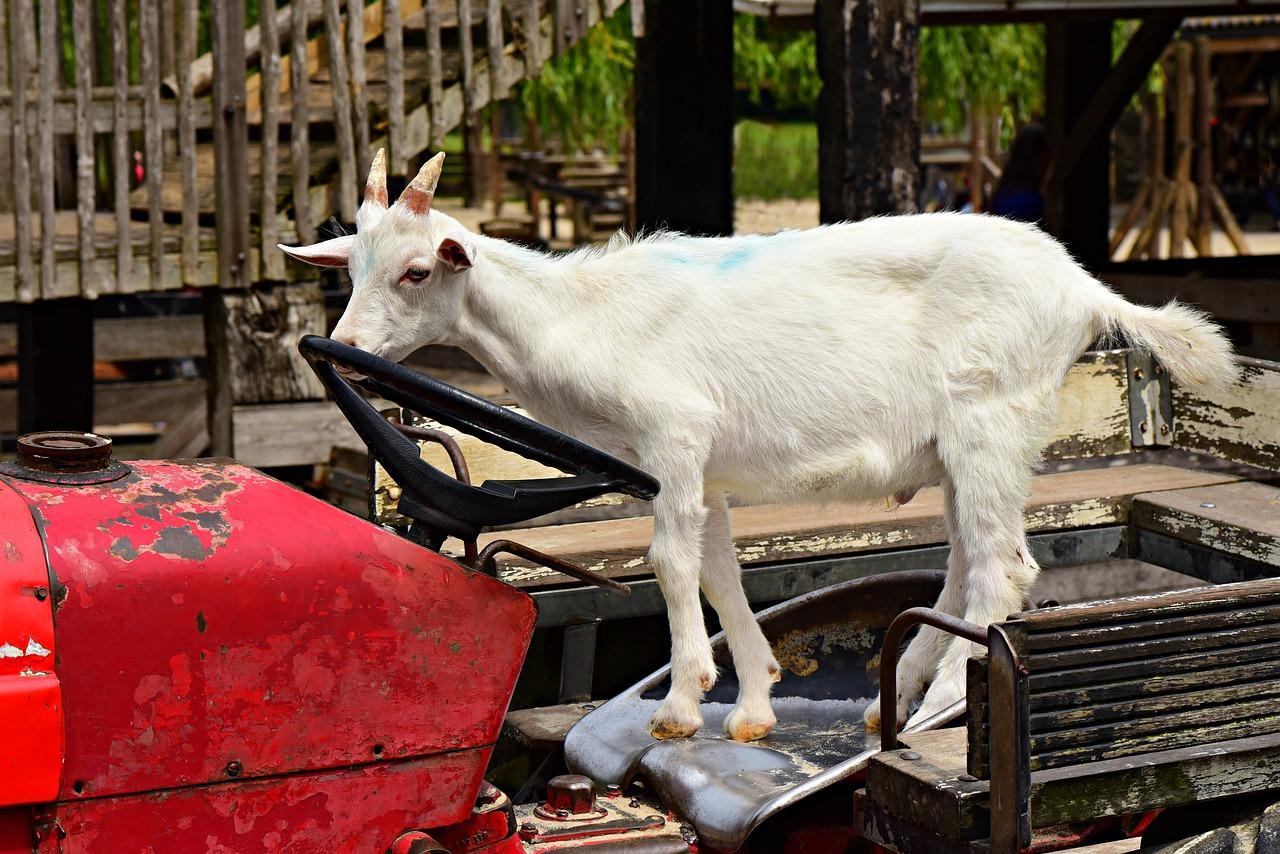
In order to do so, we enlisted the help and expertise of the good folks at Market Hall Foods. (A big thank you to Sara and the cheese specialists at Market Hall, who showcased a variety of goat cheeses from France, Italy, and Spain.) Although this selection focuses on European cheeses, rest assured that there are also many delicious and artisanal goat cheeses produced locally and throughout the U.S. So many goat cheeses from which to choose, with so little time!
To complement this lovely cheeseboard, we selected a wine for each offering. When choosing a wine to pair with any cheese, the most important factors are the primary ingredients (goat, cow, sheep) and style of preparation (fresh, blue, washed, aged, etc.). For stress-free pairings, be sure to ask your cheesemonger which style of goat cheese they recommend, as the selection will most likely vary from day to day. And without further ado, let’s dive in!
Goat Cheese: Cevrin with Herbs
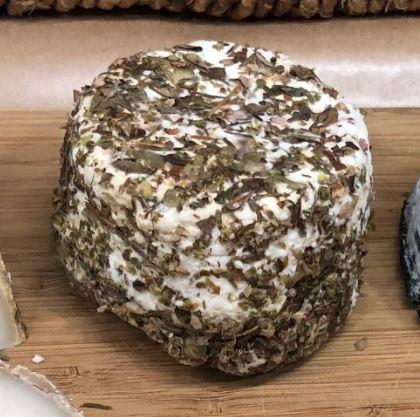
Produced in the foothills of Piemonte, Italy, this fresh goat cheese is primarily a goat’s milk cheese, blended with smaller amounts of cow’s and sometimes sheep’s milk. Light and creamy, the inherent freshness and primary flavors of Cervin make it the perfect vehicle to pair with fresh herbs from the region.
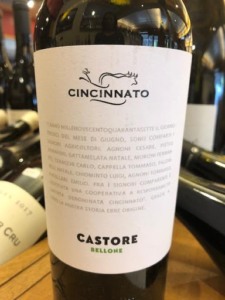 Wine to pair: A vibrant, crisp, and tangy white wine is a great option to pair with fresh goat cheese. Our pick is the 2018 Cincinnato Castore bellone from Lazio. Crisp and bright, with no oak and a briny, refreshing finish, this Italian white will cut through the creaminess of the cheese and complement its fresh herb finish.
Goat Cheese: Fleur de Ré
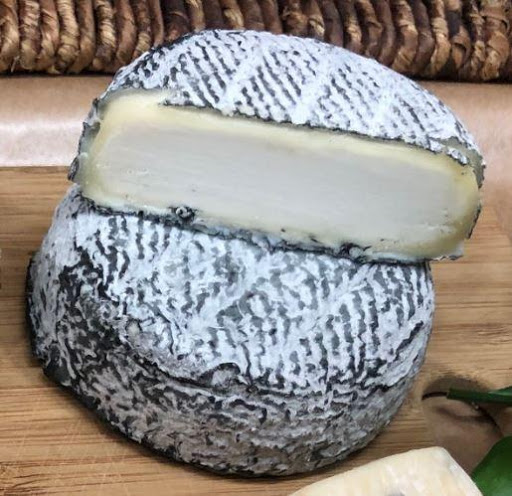
This artisanal goat cheese comes to us from France’s Loire Valley. A tangy, creamy example of a bloomy-rind style of cheese, it’s coated in a very thin layer of ash before it undergoes aging, or affinage. It is accompanied by a very light sprinkle of fleur de sel from the Île de Ré, located off the west coast of France near La Rochelle. The use of both vegetable ash and fleur de sel enable this little puck of goodness to ripen more slowly and gracefully. A perfectly ripe Fleur de Ré will often exhibit complex notes of salt, earth, and fresh hay, with a noticeable creamy tang on the finish.
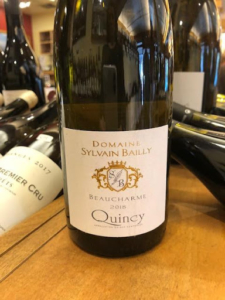 Wine to pair: A crisp, mineral-driven sauvignon blanc from the Loire Valley is a great choice to pair with this bloomy-rind, ash-covered style of cheese. Our top pick is the 2018 Sylvain Bailly Beaucharme Quincy. The appellation of Quincy is located southwest of Sancerre, and although less well-known than its famous neighbor, the wines from this appellation display the drive and tension that make it a textbook Loire Valley sauvignon blanc.
Goat Cheese: Truf di Capra
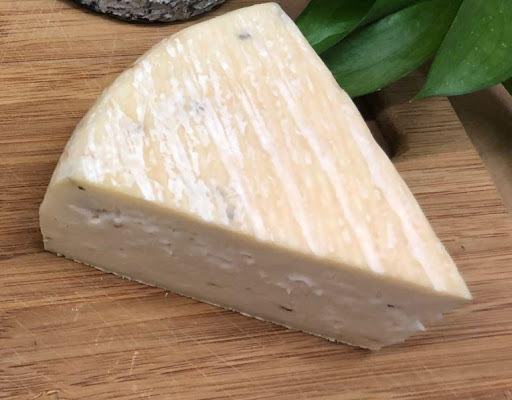
If you like Brie, then you must try Truf di Capra, an indulgent bloomy-rind, extra creamy Italian cheese produced in the foothills of Piemonte, Italy. This special soft cheese includes morsels of black truffle throughout, adding richness and earthiness. The addition of cow’s milk cream also ups the creaminess factor substantially.
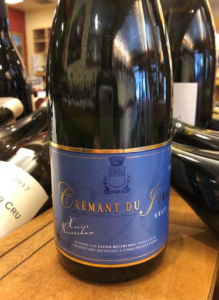 Wine to pair: Extra creamy and rich cheeses (like Brie, Camembert, and Truf di Capra) have a high fat content, which translates to a rich mouth-coating feel on the palate. A great wine to pair with our Italian Truf di Capra is the NV Crémant du Jura Brut from Xavier Reverchon. This high-quality Crémant is composed of chardonnay, pinot noir, and a touch of savagnin. Dry and bubbly, with just a hint of hazelnut and biscuit, this elegant and zippy Crémant offers the underlying acidity to cut through the richness of the cheese and complements the earthy and unctuous qualities of Truf di Capra.
Goat Cheese: Bleu de Chèvre
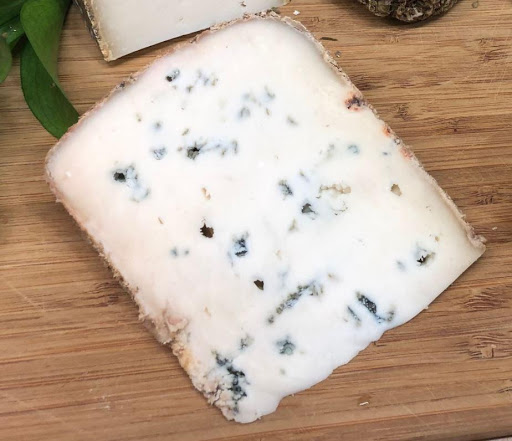
Bleu de Chèvre is unusual in that most blue-veined cheeses are produced from cow’s milk. Not to worry, as this example, produced by happy French goats, is delectable! In addition to the creamy texture and decisive nutty sweetness often found in blue cheeses, the use of goat’s milk imparts a bit of tang on the finish.
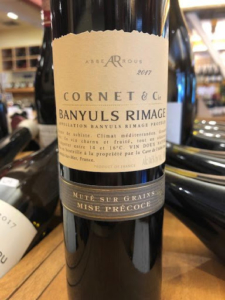 Wine to pair: Blue-veined cheeses often display bold and, to a varying degree, salty and pungent flavors. Both red and white wines will pair nicely with this style of cheese. However, in each case, you’ll want to select a sweet wine with bold flavors. If you opt for a white wine, a sweet late-harvest wine is a top pick. Think Sauternes, or a late-harvest example from Alsace or Germany. To switch things up a bit, we’ve selected the Cornet et Cie Banyuls Rimage from the south of France. This fortified sweet red wine (similar in style to ruby Port) is composed predominantly of grenache noir. It is sweet and fruit-driven, with intense berry flavors and just a whiff of damp earth and black tea.
Goat Cheese: Garrotxa
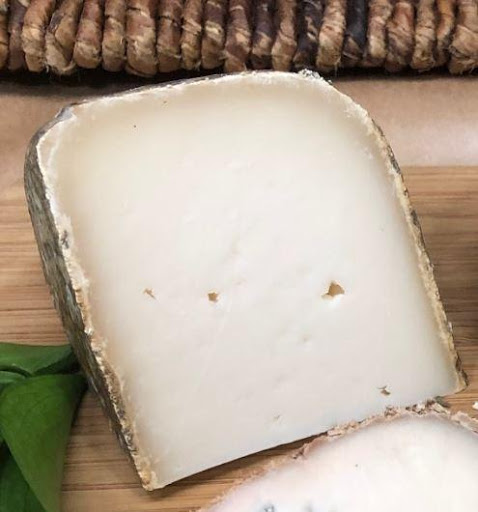
This semi-hard, aged goat cheese hails from the Garrotxa area in Catalonia, Spain. It is a region world-renowned for the high quality and unique flavor profile of its goat’s milk. The exterior is most often covered in a hard outer casing of gray mold. Stick to the interior portion of Garrotxa, and you’ll be rewarded with a creamy cheese reminiscent of damp earth, nuts, and dried herbs, with a slightly salty finish.
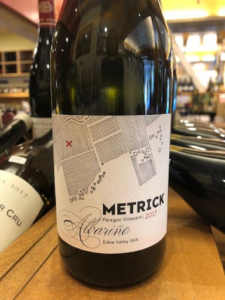 Wine to pair: A medium-bodied white wine, preferably of the Iberian variety, is our suggestion for Garrotxa. The 2017 Metrick albariño, from California’s Edna Valley, is a great choice, as it exhibits the classic characteristics of the variety and style of wine, namely a dry, unoaked wine with sublte hints of mineral and yellow stonefruit. Although not as high-toned and bracing as some Spanish or Portugese examples, its more generous structure makes it an ideal match for this hearty cheese.
Happy National Goat Cheese Month from Paul Marcus Wines! We’ll see you at the shop.
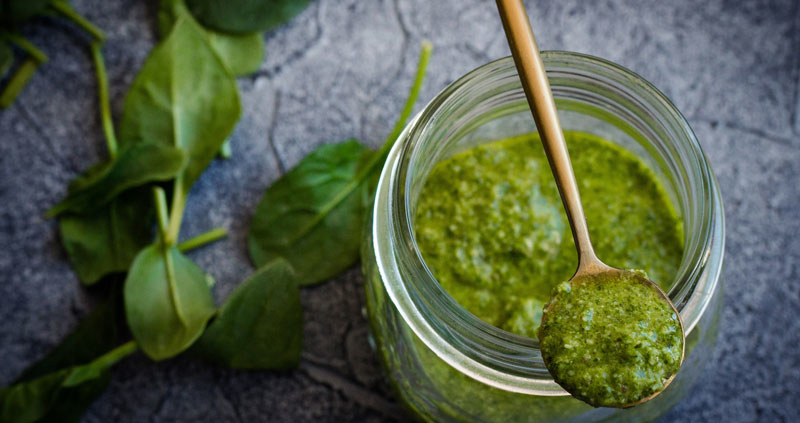
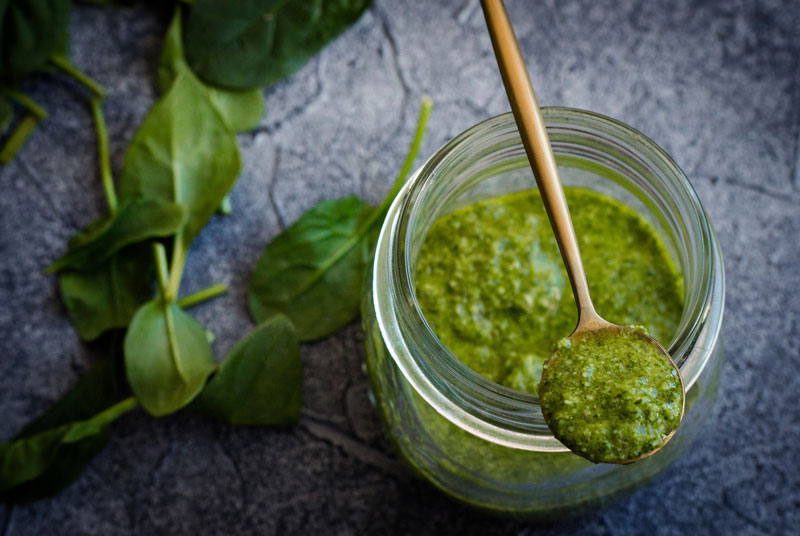 Rich, lively, and pungent, a first-class pesto sauce is among the true delights of Italian cuisine. Yet, its bold, intense flavors– salty, floral, bitter, and slightly creamy–can make wine pairing a challenge. To make matters more difficult, pesto sauce is prepared raw, which means that there is no use of heat to help mellow the flavors. With all of that going on, the last thing you need is an oaky or overly fruity wine to spoil the fun.
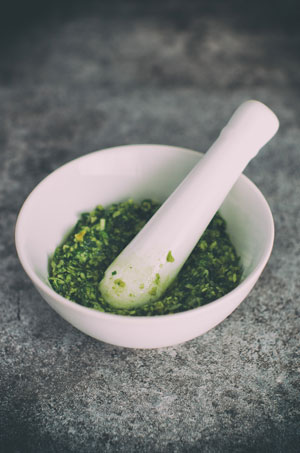 The most traditional style, pesto alla Genovese, comes from the Ligurian coast and dates back at least 150 years. This classic recipe always includes the exact same seven ingredients: fresh basil, pine nuts, garlic, olive oil, Pecorino cheese, Parmigiano cheese, and sea salt. Of course, there are numerous variations (any of which might be considered a capital offense in Genoa), but this simple combination (customarily crushed with mortar and pestle) is perhaps the most time-honored. (There is one particular variant, sometimes referred to as pesto alla Portofino, that adds crushed or pureed tomatoes to the mix and is certainly worth investigating.)
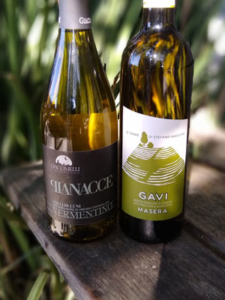 In keeping with the dish’s Ligurian roots, look for vermentino (and the closely related pigato) from coastal Ligurian appellations like Riviera Ligure di Ponente and Colli di Luni (which overlaps into Tuscany). Another neighboring contender is the sleek, bright, subtly fruited Gavi, which is made from the cortese grape and originates in Piemonte, just north of the Ligurian border. At Paul Marcus Wines, you can find the bracingly fresh vermentino Colli di Luni from Giacomelli, along with the ripe but balanced Gavi Masera by Stefano Massone.
 Our next stop is in the Veneto region of northeast Italy, specifically the Soave DOC outside of Verona. The whites of this area feature the garganega grape; though still dry and zesty, Soave wines offer an oily texture, undertones of wildflowers, and a suggestion of almonds that complement the flavors of pesto rather well. We’re proud to include a selection from Pieropan at Paul Marcus Wines, which is one of the area’s most renowned producers, as well as offerings from Suavia and Ca’ Rugate.
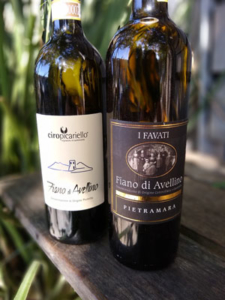 If you’re looking for a pesto partner that will stand toe to toe with your fragrant and verdant sauce, go for Fiano di Avellino from the southern region of Campania. Occasionally referred to as “pesto in a bottle,” fiano’s wild intensity will only enhance the flavor explosion that pesto sauce provides. Robust, nutty, aromatic, and herbaceous, fiano realizes its finest expression when grown on Campania’s volcanic terrain, giving it a flinty edge. Top it off with a zippy acidity, and you have a grape that’s ready to tangle with a top-notch pesto. For a lighter, fresher expression, grab a bottle of Pietramara, made by I Favati, at Paul Marcus Wines, or go to the age-worthy version produced by Ciro Picariello, which is a bit richer and rounder.
 Chateau Val d’Arenc
 Domaine du Terrebrune
 La Bastide Blanche